How Long Do Dental Crowns in Los Angeles CA Last?
A well-made dental crown can last a long time, often somewhere between 10 and 15 years, and in many cases quite a bit longer. I have seen crowns still functioning nicely at 20 years, and I have also seen newer crowns fail in three or four. That gap is not random. It usually comes down to the material, the bite, the health of the tooth underneath, and what a person does with their teeth every day without thinking about it.
For patients searching for Dental Crowns Los Angeles CA, the better question is not only how long a crown should last, but what makes one crown age gracefully while another cracks, loosens, or develops decay at the edge. Los Angeles patients often have a mix of priorities that influence that answer. They want durability, of course, but they also care deeply about esthetics, speed, comfort, and in many neighborhoods, discretion. A crown on a back molar for a night grinder has a very different life expectancy than a front tooth crown on someone with a conservative bite and excellent hygiene.
Crowns are strong restorations, but they are not permanent in the absolute sense. They live in a demanding environment, exposed to temperature changes, chewing forces, acids, plaque, and habits like clenching, ice chewing, and using teeth to open packages. The crown itself may be made of durable ceramic or metal, yet it still relies on a natural tooth, a cement seal, healthy gums, and a stable bite. When any of those pieces break down, the lifespan shortens.
What a crown is really protecting
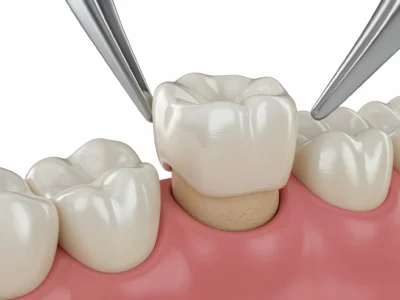
A dental crown is a full-coverage restoration that fits over a prepared tooth. Dentists recommend crowns when a tooth is too damaged or weakened for a simple filling, when a root canal has left the tooth brittle, when a large fracture needs reinforcement, or when appearance and shape need more complete correction than veneers or bonding can provide.
Patients sometimes think of the crown as the whole fix, but the crown is more like a custom helmet. It protects what remains of the tooth. If the tooth underneath is structurally compromised, if the root has trouble, or if decay starts at the margin where crown meets tooth, the restoration can fail even when the visible part of the crown still looks fine.
That distinction matters because people often judge crowns only by whether they are still attached. In practice, dentists look at much more. Is the edge still sealed? Is the gum around it healthy? Has the bite changed? Are there cracks in the porcelain? Is there recurrent decay on the root or margin? A crown may remain in place for years while already showing early signs that replacement is approaching.
The average lifespan, and why averages only help so much
The most defensible general range for a dental crown is about 10 to 15 years. That said, averages can be misleading. In a healthy mouth, with excellent daily care, routine cleanings, and a favorable bite, many crowns last well beyond 15 years. Some older gold crowns in particular can function for decades. On the other hand, a crown placed on a heavily loaded molar in a patient who clenches at night may have a shorter life even if the dentist did excellent work.
Los Angeles practices also see a broad range of crown histories because lifestyles vary so much. Some patients work long hours, snack frequently, drink acidic beverages all day, and postpone preventive visits. Others are meticulous with hygiene and wear a night guard every night. Two people can receive crowns from the same dentist, on similar teeth, and get very different outcomes over the next decade.
A more useful way to think about crown longevity is to picture it as a probability curve rather than an expiration date. A crown does not suddenly become bad at year 11. Instead, the chance of problems gradually rises as wear accumulates, cements age, gums recede, and natural tooth structure changes.
Material makes a difference, but not always in the way patients expect
Patients often ask which crown material lasts longest. The answer depends on where the crown sits in the mouth and what kind of forces it handles.
Gold and other full metal crowns have a long track record for durability. They are tough, less likely to chip, and kind to the opposing teeth when properly polished. For back molars, especially in heavy grinders, they can be excellent. The obvious downside is appearance, which makes them less popular in image-conscious markets and almost never the first choice for front teeth.
Porcelain-fused-to-metal crowns combine a metal base with porcelain on the outside. They have served dentistry well for many years. They can be strong, but the porcelain layer may chip, and over time some patients show a dark line near the gum if tissue recedes. That cosmetic issue matters a lot more in visible areas.
All-ceramic and zirconia crowns are common today, especially in practices that emphasize digital scanning and esthetics. Modern ceramics can be both attractive and durable, though not all ceramics behave the same way. Some are prized for lifelike translucency and look beautiful on front teeth, but may not be ideal for every high-force molar. Zirconia is generally known for strength and has become a frequent choice for posterior crowns, though fit, bite design, thickness, and finishing are still crucial.
Patients sometimes assume the strongest material automatically gives the longest lifespan. That is not always true. If a very hard crown is placed into a poor bite or on a weak foundation, strength alone will not save it. In real-world dentistry, longevity comes from matching the material to the tooth, the smile line, the bite pattern, and the patient’s habits.
The hidden variable, the tooth underneath
One of the least appreciated parts of crown longevity is the condition of the remaining tooth structure. A crown on a tooth with plenty of healthy tooth left usually has a better outlook than a crown on a tooth that has already endured a large filling, a fracture, and a root canal.
A root canal does not doom a crown, but it changes the equation. Root canal treated teeth can become more brittle over time, especially if much of the original tooth has already been lost. Sometimes a crown is placed with a buildup or a post to help support the restoration. Those can work very well, but every added layer introduces more complexity.
Gum recession also plays a major role. As gums recede with age or aggressive brushing, more of the crown margin or root surface may become exposed. That area can be harder to keep clean and more vulnerable to decay. A 8914 S Vermont Ave Dental Crowns Los Angeles CA crown can be intact while the tooth at the edge develops a cavity, which is one of the most common reasons crowns need replacement.
This is why patients who say, “The crown itself should not get a cavity,” are technically right but practically missing the point. The porcelain or metal does not decay. The natural tooth at the margin absolutely can.
Why crowns fail earlier than they should
When crowns fail prematurely, the pattern is usually familiar. A patient bites something hard and chips the porcelain. A night grinder develops a fracture line. Decay sneaks under the edge because flossing was inconsistent and cleanings were delayed. Cement washes out over time and the crown loosens. A bite shifts after other dental work or tooth movement, and now one crown takes more force than it was designed for.
The most common reasons a crown needs replacement include:
- Decay forming at the crown margin
- Fracture or chipping of the crown material
- Loosening or loss of retention
- Problems with the tooth or root underneath
- Cosmetic changes, especially near the gumline
That list looks straightforward, but in the chair the causes often overlap. A patient may come in saying the crown feels high or sensitive. On closer exam, the issue turns out to be a small crack in the ceramic plus inflammation from plaque around the margin, with nighttime clenching adding stress. Dentistry is often like that. Failures are rarely caused by one thing alone.
Bite forces matter more than most people realize
If I had to pick one factor patients underestimate, it would be bite force. Teeth do not just move up and down. They slide, grind, torque, and absorb repeated pressure. A crown on a molar can face extraordinary force, especially in someone who clenches during sleep.
Night grinding is common, and many people do not know they do it until a partner notices the sound or a dentist sees wear facets, cracks, or muscle tenderness. In Los Angeles, stress is a real part of the picture. Long commutes, demanding work, disrupted sleep, and caffeine-heavy routines can contribute to clenching. A crown that might have lasted 15 years in a relaxed mouth may struggle in a high-force one.
That does not mean heavy grinders cannot get crowns that last. It means they need thoughtful planning. Material choice matters. So does crown shape, thickness, and bite adjustment. A custom night guard can make a substantial difference. It is one of the simplest ways to protect the investment.
Front teeth and back teeth do not age the same way
A crown on a front tooth usually faces different demands than one on a molar. Front teeth are more visible, so esthetics become central. Shape, translucency, and gum appearance matter. They often see less vertical chewing force than back teeth, but they can still take damaging lateral force if a person has an edge-to-edge bite, nail-biting habit, or history of trauma.
Molars are built for pressure, and crowns on them are often judged first on function. Patients are less concerned about perfect translucency and more concerned with strength and comfort. Because molars take the brunt of chewing, they often reveal bite issues faster. If a back crown feels even slightly high, the patient may notice soreness, sensitivity, or jaw fatigue quickly.
This is one reason there is no universal answer to how long crowns last. A front crown placed for cosmetic reasons on a healthy tooth can have one trajectory. A back molar crown placed after a root canal and years of wear can have another.
The Los Angeles factor, lifestyle and expectations
People looking for Dental Crowns Los Angeles CA are often balancing practical dentistry with cosmetic standards. In Los Angeles, it is common for patients to want restorations that disappear into the smile, photograph well, and feel natural under close social and professional scrutiny. That can shape material choices and treatment planning.
There is also a pacing issue in major cities. Some patients want same-day crowns because they travel often, work unpredictable schedules, or simply do not want a temporary. Same-day crowns can be an excellent option in the right case, especially when the technology and design are used well. Still, speed should not be confused with permanence. The lifespan of a crown depends more on fit, preparation, bite, and maintenance than on whether it was made in one visit or two.
Dry mouth is another under-discussed factor in urban patient populations. Medications for anxiety, depression, allergies, blood pressure, and sleep can reduce saliva. Saliva protects teeth by buffering acids and helping cleanse the mouth. Less saliva often means more cavity risk around crown margins. A beautiful crown can still fail early in a dry mouth if that issue is not managed.
Small habits that quietly shorten crown life
Crowns usually do not fail dramatically at first. More often, small habits wear them down over time. Crunching ice, chewing pen caps, cracking nuts with teeth, biting fingernails, and skipping floss all sound minor until they become routine. Even “healthy” habits can cause trouble if they involve constant grazing on dried fruit, citrus, sparkling water, or sports drinks.
Brushing technique matters too. Hard scrubbing does not clean better. It can wear exposed root surfaces and contribute to gum recession around the crown. A soft brush, gentle pressure, and careful cleaning at the gumline usually serve crowns better than aggressive brushing.
For patients who want a practical rule of thumb, crown longevity often tracks with consistency. Not perfect behavior, just steady maintenance. The people whose crowns last longest are rarely doing anything fancy. They show up for cleanings, fix small issues early, and protect their teeth from preventable stress.
Signs a crown may need attention
Some failing crowns are obvious, but many send subtle warnings first. Early evaluation can mean a simple adjustment or recementation instead of a full replacement or root canal later.
Watch for these signs:
- Sensitivity to biting pressure or temperature
- A crown that feels loose, high, or different when you chew
- Food trapping regularly around one crowned tooth
- Visible chips, cracks, or a dark line near the edge
- Gum tenderness, bleeding, or bad taste around the crown
Patients often wait because the problem comes and goes. That is common with bite-related irritation or early leakage. Intermittent symptoms still matter. If a crown only hurts when chewing something firm on one side, that does not mean it is fine. It may mean the problem is mechanical and progressing.
How dentists assess whether a crown is still serviceable
A good crown evaluation is not just a quick glance. Dentists check the margins with an explorer, assess the surrounding gums, look for decay, review X-rays when needed, and test the bite. They also pay attention to the story the patient tells. Timing matters. A crown that became sensitive after one hard bite suggests something different from a crown that gradually became food-trappy over a year.
X-rays can help reveal decay under margins, bone loss, or root issues, but they do not show everything. Small cracks and minor porcelain chips may be seen more clearly in the mouth than on a radiograph. Conversely, some serious margin problems are visible on X-ray before the patient feels anything significant.
Sometimes a crown can be polished, adjusted, or recemented and continue serving well. Sometimes it has to be replaced because the underlying tooth has changed. And occasionally the problem is not the crown at all. It may be the neighboring tooth, sinus pressure, gum inflammation, or a bite imbalance elsewhere in the mouth.
What patients can do to make crowns last longer
Longevity is not only about the dentist’s work, though that matters enormously. Patients have more control than they think.
Daily cleaning is the baseline. That means brushing thoroughly and cleaning between teeth every day, especially where the crown meets neighboring teeth. If floss catches or shreds around a crown, that is worth mentioning. It can indicate a rough edge, an open contact, or another issue that deserves a look.
Regular recall visits matter because crowns usually show wear gradually. Dentists can often spot early margin breakdown or bite stress long before a patient notices symptoms. A night guard, when indicated, may add years to the life of crowns by reducing repetitive overload. Managing dry mouth, reflux, or high sugar snacking can also significantly reduce risk at the crown margins.
A practical patient mindset helps too. If you have spent time and money restoring a tooth, treat it like restored tissue, not an indestructible replacement. Crowns are strong, but they are not tools.
So, how long should you expect your crown to last?
A realistic expectation for most crowns is around 10 to 15 years, with a meaningful number lasting longer when conditions are favorable. If a crown reaches 15 years with healthy gums, sealed margins, stable bite, and no symptoms, that is a success. If it lasts 20 years or more, even better. If it fails earlier, the next step is not just replacing it and hoping for better luck. It is figuring out why.
For anyone evaluating Dental Crowns Los Angeles CA, the best long-term value usually comes from a careful diagnosis, the right material for the specific tooth, precise bite adjustment, and regular maintenance afterward. A crown is never just a crown. It is part engineering, part biology, and part patient behavior.
That is why the same restoration can last a decade in one mouth and two decades in another. The crown matters, but the environment around it matters just as much.
Simple Dental Vermont
Address: 8914 S Vermont Ave, Los Angeles, CA 90044
Phone number: +13239493000
FAQ About Dental Crowns Los Angeles CA
How much do crowns cost per tooth?
In the United States, a single dental crown typically costs between $800 and $2,500 per tooth without insurance. The ultimate out-of-pocket price depends heavily on the crown material, the location of the tooth, and whether you have dental insurance coverage.
What is the downside of crowns on teeth?
The primary downside of a dental crown is that the procedure permanently removes natural tooth enamel to shape the tooth for the cap.
Why do dentists push for crowns?
Dentists recommend crowns because a large filling cannot provide enough strength when a tooth loses a major portion of its structure or faces heavy chewing pressure.