Top Benefits of Getting Dental Crowns in Los Angeles CA
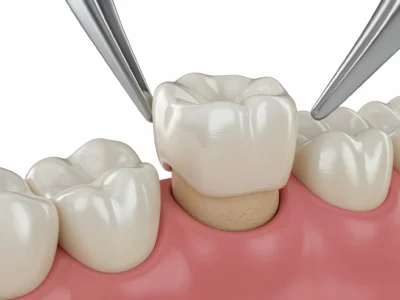

A dental crown is one of those treatments people rarely think about until a tooth starts breaking down, hurting, or making them self-conscious. Then it becomes very important, very quickly. In a city like Los Angeles, where appearance, confidence, and fast-paced schedules often intersect, crowns are not just a cosmetic option. They are a practical way to protect damaged teeth, restore normal function, and prevent bigger problems from developing later.
Patients usually arrive with one of a handful of concerns. A molar cracked on a popcorn kernel. An old filling has given way and there is not enough healthy tooth left to support another patch. A front tooth darkened after trauma years ago and now stands out in every photo. Someone has completed a root canal and needs to protect the treated tooth before it fractures. In each of these situations, a well-made crown can be the difference between saving a tooth and losing it.
The phrase Dental Crowns Los Angeles CA often brings to mind cosmetic dentistry, and there is some truth to that. High-quality crowns can dramatically improve the appearance of a smile. But the real value runs deeper. A crown can reinforce a weakened structure, restore a bite that feels stable again, and help a patient chew without guarding one side of the mouth. Those benefits matter whether you work on camera, teach in a classroom, sit in meetings all day, or simply want to eat dinner without thinking about your teeth.
What a crown actually does
A crown is a custom-made cap that covers a damaged or compromised tooth. It is designed to fit over the prepared tooth structure and mimic the shape, size, and contour of a healthy natural tooth. Depending on the case, crowns may be made from porcelain, ceramic, zirconia, metal alloys, or layered materials that balance strength and appearance.
That technical description is accurate, but what matters most to patients is simpler. A crown gives a struggling tooth another chance. It lets the tooth function again under normal biting pressure. It seals and protects areas that are vulnerable. It also restores the visible shape of a tooth that may have chipped, worn down, or become misshapen after years of stress.
In practice, crowns are recommended when a filling is no longer enough. If too much tooth structure is gone, another filling can act like a temporary patch on a failing foundation. At that point, the smarter move is often to rebuild the tooth comprehensively rather than repair it in small pieces every few years.
Protection for teeth that are at risk of breaking
One of the biggest benefits of a crown is structural protection. Teeth do not always fail in dramatic ways. Sometimes they weaken slowly. A large cavity is removed, a deep filling is placed, and the remaining walls of the tooth become thin. The tooth may feel fine for a while, then one day a cusp snaps off during lunch.
This is especially common with molars and premolars because they absorb most of the force of chewing. If a back tooth has a very large filling, visible cracks, or a history of root canal treatment, a crown often provides the reinforcement needed to keep the tooth intact. Root canal teeth deserve special mention because they tend to become more brittle over time. They can function for years, but without protective coverage, they are at greater risk for fracture.
Many dentists have seen the same preventable pattern. A patient is told that a tooth would benefit from a crown. Life gets busy, the tooth does not hurt, and treatment gets postponed. Six months or a year later, the tooth fractures below the gum line and can no longer be restored. At that stage, the treatment path often shifts from crown to extraction, then to implant or bridge, both of which are usually more expensive and time-intensive.
Protective treatment can feel less urgent than pain relief, but it often saves more trouble in the long run.
Relief from discomfort during everyday chewing
A compromised tooth rarely stays neutral forever. Even if it is not causing severe pain, it may create low-grade discomfort that changes how a person eats. They start favoring one side. They avoid crunchy foods. They chew more slowly. They cut certain foods into smaller bites not because they want to, but because a particular tooth feels unreliable.
A properly fitted crown can restore a stable biting surface. That matters more than many people expect. Chewing should feel unconscious. When it does not, the body compensates. Extra strain shifts to other teeth, the jaw muscles tighten, and a minor issue can become a broader one.
There is also the issue of temperature sensitivity. Teeth with large fillings, cracks, or enamel loss often react sharply to cold drinks or sweets. While not every sensitive tooth needs a crown, a well-indicated crown can reduce exposure and help calm those triggers, particularly when the underlying structure has been rebuilt and sealed appropriately.
A natural appearance that blends with the smile
The cosmetic benefit is real, and for many patients in Los Angeles, it matters. Modern crowns can be made to look remarkably natural when planned well. This includes matching shade, translucency, surface texture, and even the slight asymmetries that make natural teeth believable. A crown that is too opaque, too bright, or too flat in contour can stand out. A good one disappears into the smile.
This is where experience and communication matter. A front tooth crown is very different from a back molar crown. Posterior teeth prioritize strength and function, though appearance still matters. An anterior crown, especially on a central incisor, demands a more refined aesthetic approach. Small decisions about shape and color can change how the entire smile reads.
In Los Angeles, many patients are acutely aware of this because social and professional life often involve photos, video calls, presentations, events, or public-facing work. A chipped or darkened tooth can affect confidence more than outsiders realize. Replacing that weak or unattractive tooth surface with a carefully designed crown often changes not just the smile, but the patient’s posture and ease.
That said, realism is important. A crown can look beautiful, but it should also fit the face, the neighboring teeth, and the patient’s age. The best cosmetic dentistry usually does not look like dentistry at all.
Crowns can help preserve a natural tooth longer
When discussing restorative dentistry, preservation should always be the priority if the tooth can be saved predictably. A crown often supports that goal. Instead of removing the tooth and replacing it with an implant, the dentist restores and protects what is still viable.
Natural teeth have advantages that no artificial replacement fully duplicates. They connect to the surrounding bone and tissue through a living periodontal ligament, which provides sensory feedback and a subtle cushioning effect during chewing. They also maintain the original anatomy and spacing of the mouth in a way that often feels more intuitive.
This does not mean crowns are always better than implants. If a tooth is cracked beyond repair, severely infected, or too structurally compromised, replacement may be the right decision. But in many borderline cases, a crown gives patients years, sometimes decades, of additional service from a natural tooth. That is a meaningful benefit, both biologically and financially.
Better long-term value than repeated patchwork repairs
People sometimes hesitate when they hear the cost of a crown. That reaction is understandable. Dental care in Los Angeles can vary widely in price depending on materials, technology, location, and provider experience. It is fair to ask whether a crown is worth it.
In many cases, yes, especially when the alternative is a cycle of repairs that never really stabilizes the problem.
Consider a tooth with a huge aging filling. The filling chips, gets repaired, leaks again, then breaks further. Each repair removes a little more natural tooth structure. Eventually the tooth reaches a point where there is too little left for another direct filling to hold. A crown placed earlier might have protected what remained and reduced the need for repeated interventions.
Here is where crowns often offer practical value:
- They can extend the life of a compromised tooth by reinforcing it comprehensively.
- They may reduce the frequency of emergency visits for fractures or lost fillings.
- They help preserve chewing function, which affects comfort every day.
- They often cost less over time than extraction followed by replacement.
- They can improve both function and appearance in a single treatment.
Value in dentistry is not just the price on treatment day. It is the cost of avoiding escalation.
The materials available today are more versatile than many people realize
Not all crowns are the same, and this is good news for patients. Material choice can be tailored to the location of the tooth, the strength needed, the aesthetic demand, and the patient’s habits. Someone who grinds heavily at night may need a different approach than someone restoring a front tooth with minimal bite pressure. A patient who wants the most lifelike front tooth possible may prioritize optical qualities differently than someone restoring a second molar that no one sees.
Zirconia has become popular for its durability, especially in areas where biting forces run high. Porcelain and layered ceramics can offer excellent aesthetics. Full-metal crowns still have a place in certain back-tooth cases because of their longevity and conservative fit, though many patients prefer tooth-colored materials when possible.
This is one of those areas where one-size-fits-all recommendations can be misleading. The best crown is the one that suits the actual demands of that tooth in that mouth, not the material that happens to be trending.
Crowns support other kinds of dental treatment
A crown often plays a supporting role in broader treatment plans. It may complete a root canal. It may anchor a bridge that replaces a missing tooth. It may cover a dental implant to restore a gap. It may help reestablish proper bite height in a mouth where years of grinding have worn the teeth down.
That versatility is part of the reason crowns remain foundational in restorative dentistry. They are not niche treatments. They are central tools for rebuilding function.
For example, someone who has ignored bruxism for years may develop flattened, shortened teeth and uneven bite forces. Crowns can become part of a phased plan to restore worn surfaces and protect against further damage. In another case, a patient who had trauma to a front tooth as a teenager may need a crown years later when the tooth darkens or weakens. Same treatment category, very different purpose.
Why local context matters in Los Angeles
Dentistry is dentistry everywhere, but patient expectations and practical needs vary by region. In Los Angeles, scheduling flexibility, cosmetic demands, and access to technology often shape the crown experience in noticeable ways.
Many practices offer digital scanning instead of traditional impression material. That can make the process more comfortable and precise. Some offices provide same-day crowns in select cases, using in-house milling systems. This can be especially helpful for busy professionals, parents, performers, or anyone who wants to avoid multiple visits. That said, same-day does not automatically mean better. Complex cosmetic cases may benefit from a skilled laboratory technician and a more layered fabrication process.
The local environment also influences wear patterns. Stress-related grinding is common, and so is the desire for restorations that look polished and natural in close-up social settings. Patients looking for Dental Crowns Los Angeles CA are often balancing function, time, and aesthetics all at once. A good treatment discussion should address all three.
The process is usually more straightforward than patients expect
Fear of the unknown keeps many people from moving forward. Crowns sound major, but the process is typically manageable. After evaluation and imaging, the tooth is shaped to create room for the crown material. If the tooth is badly broken down, it may need a core buildup first to recreate enough structure for support. An impression or digital scan is taken, a temporary crown may be placed, and the final crown is delivered once fabricated.
For patients who are anxious, the most helpful thing is often knowing what recovery really feels like. Most people do not experience severe pain after crown preparation. Mild soreness at the gumline, temporary temperature sensitivity, or awareness of the temporary crown is common, but usually short-lived. Once the final crown is cemented and the bite is adjusted correctly, the tooth often feels dramatically more secure.
A few practical points are worth keeping in mind:
- If the bite feels high after placement, call the office promptly. A small adjustment can make a big difference.
- Temporary crowns are just that, temporary. Sticky foods can dislodge them.
- Crowns still require excellent hygiene, especially at the gumline where plaque can accumulate.
- Night guards matter if you clench or grind, because even strong crowns can chip under extreme force.
- Sensitivity that lingers or worsens should be evaluated rather than ignored.
These are not complications so much as realities of living with restorative work. Patients who understand them tend to do better long term.
Confidence is not a superficial benefit
It is easy to dismiss smile-related confidence as vanity, but that misses the point. People use their mouths constantly, in conversation, in laughter, in work, in meals, in close relationships. If a tooth is damaged, dark, misshapen, or obviously patched together, many people become acutely aware of it. They smile differently. They cover their mouth. They edit themselves in subtle ways.
A well-made crown can remove that constant self-monitoring. That is not trivial. It affects social ease and professional presence. For someone interviewing, speaking publicly, dating, or simply trying to stop thinking about a damaged tooth every time they laugh, the psychological lift can be significant.
In clinical settings, this is often visible immediately. A patient sees the final result in a mirror, then smiles without being prompted. That reaction usually has very little to do with vanity and everything to do with relief.
Good candidates, limitations, and honest trade-offs
Crowns are extremely useful, but they are not the answer to every dental problem. If decay extends too far below the gumline, if the root is fractured, or if there is not enough healthy structure left to support a restoration, a crown may not be feasible. Gum disease, uncontrolled grinding, and poor oral hygiene can also compromise outcomes.
There are trade-offs as well. A crown requires reshaping the tooth, which means some natural structure is removed to create space for the restoration. That makes case selection important. A tooth with a small, repairable issue should not be crowned unnecessarily. Conservative dentistry remains the standard. The goal is not to place more crowns. It is to place them when they offer the best balance of protection, longevity, and function.
There is also the matter of lifespan. Crowns can last many Dental Crowns Los Angeles CA years, often well beyond a decade, but they are not permanent in the absolute sense. Longevity depends on the material, the bite, hygiene, the skill of placement, and whether the underlying tooth stays healthy. A beautiful crown placed on a neglected tooth will not rescue poor home care.
Choosing the right dentist matters as much as choosing the crown
The best crown is a combination of sound diagnosis, precise preparation, quality materials, a thoughtful lab process or digital workflow, and careful bite adjustment. If any of those elements is weak, the final result can suffer. A crown that looks good but traps food is a problem. A crown that is strong but too high in the bite can become painful. A crown that fits perfectly but ignores smile aesthetics may disappoint every time the patient looks in the mirror.
Patients in Los Angeles have many options, which is both an advantage and a challenge. It helps to ask practical questions. How often does the dentist perform crown work? What materials do they Dental Crowns Los Angeles CA recommend for your specific tooth and why? Do they use digital scans? How do they handle aesthetic matching for front teeth? What happens if the bite feels off after placement?
Those conversations reveal a lot. So does the way the dentist explains alternatives. If a provider can clearly discuss why a crown is indicated, what the limitations are, and what other choices exist, that usually reflects sound judgment.
Why crowns remain one of the most valuable restorative treatments
Some dental procedures are highly specialized. Crowns are different. They remain one of the most broadly useful and time-tested treatments in dentistry because they solve several problems at once. They strengthen weakened teeth. They restore chewing function. They improve appearance. They support other treatments. Most importantly, they help people keep teeth that might otherwise be lost.
For patients considering Dental Crowns Los Angeles CA, the benefits are not abstract. They are felt at meals, in meetings, in photos, in daily comfort, and in the confidence that comes from knowing a vulnerable tooth is no longer one hard bite away from failing. When a crown is recommended for the right reason and executed well, it is often less about repairing a tooth and more about restoring normal life around it.
Simple Dental Vermont
Address: 8914 S Vermont Ave, Los Angeles, CA 90044
Phone number: +13239493000
FAQ About Dental Crowns Los Angeles CA
How much do crowns cost per tooth?
In the United States, a single dental crown typically costs between $800 and $2,500 per tooth without insurance. The ultimate out-of-pocket price depends heavily on the crown material, the location of the tooth, and whether you have dental insurance coverage.
What is the downside of crowns on teeth?
The primary downside of a dental crown is that the procedure permanently removes natural tooth enamel to shape the tooth for the cap.
Why do dentists push for crowns?
Dentists recommend crowns because a large filling cannot provide enough strength when a tooth loses a major portion of its structure or faces heavy chewing pressure.